
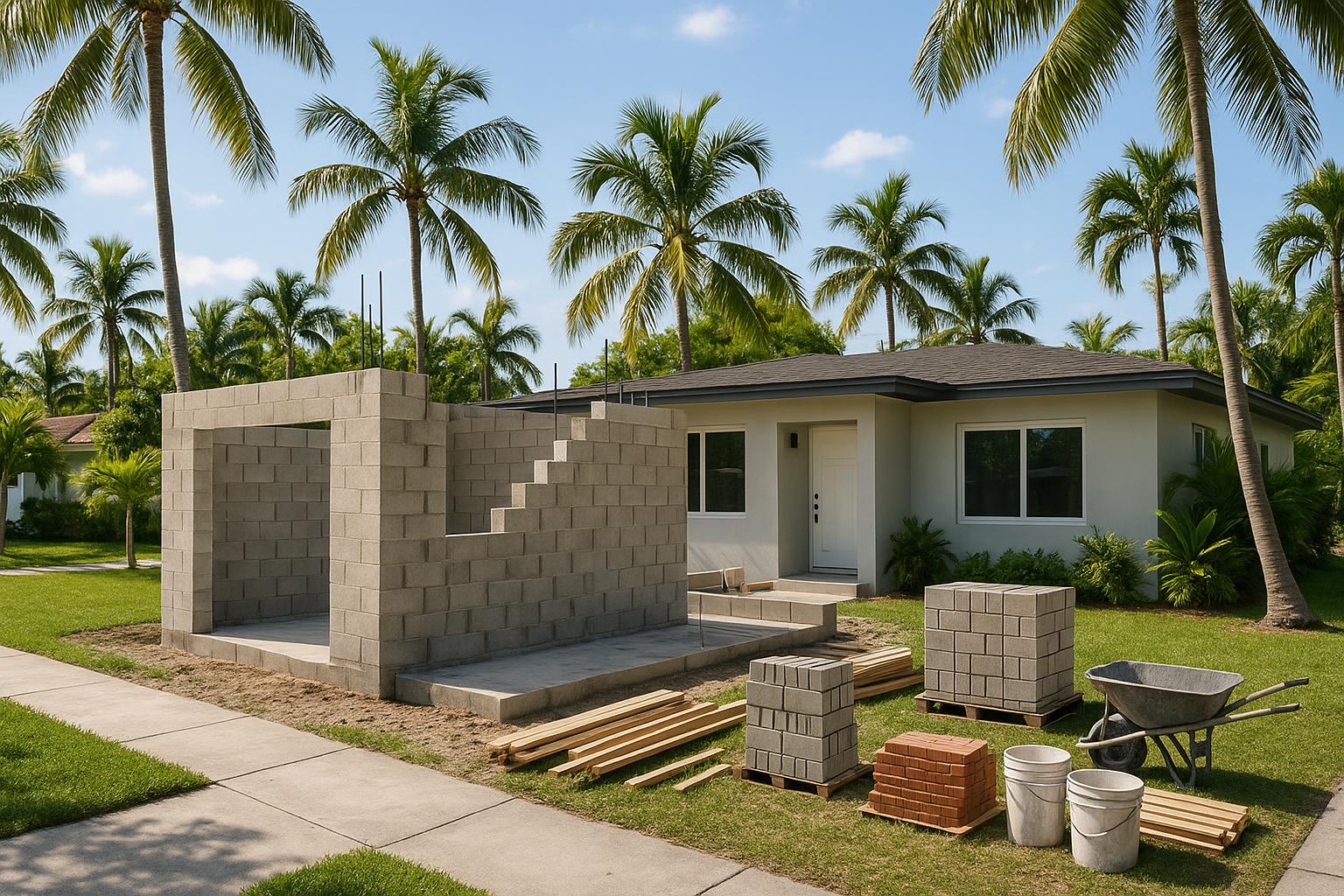
Why Miami Homeowners Are Adding Rooms Instead of Moving
Miami's real estate market has made moving an expensive proposition. Between rising home prices, elevated mortgage rates, and the sheer cost of buying and selling, many homeowners are choosing to expand the homes they already love. A well-planned room addition can give you the extra space you need — whether it's a new bedroom, a home office, or an expanded living area — at a fraction of the cost of purchasing a larger property.
But room additions are also one of the most complex remodeling projects you can take on. They involve structural work, permitting, and coordination across multiple trades. The good news is that with the right planning, you can avoid the headaches that catch unprepared homeowners off guard.
Step 1: Define What You Actually Need
Before you call a contractor or sketch anything on paper, take time to clearly define the purpose of your addition. Ask yourself these questions:
- What problem am I solving? Do you need a guest bedroom, a dedicated workspace, or more living space for a growing family?
- How will this room connect to the existing layout? A room addition should feel like a natural extension of your home, not an afterthought.
- What's my realistic budget? Be honest about what you can spend, and build in a contingency of at least 10-15% for unexpected costs.
Having clear answers to these questions will save you time and money throughout the entire process. It also helps your contractor provide a more accurate estimate upfront.
Step 2: Understand Miami's Permitting Requirements
This is where many homeowners get tripped up. In Miami-Dade County, virtually any structural addition to your home requires a building permit. This isn't optional — it's the law, and skipping permits can result in fines, forced removal of unpermitted work, and serious complications when you eventually sell your home.
Here's what you should know about the permitting process for room additions in Miami:
- Zoning compliance: Your addition must comply with local zoning regulations, including setback requirements, lot coverage limits, and height restrictions. Properties in areas like North Miami Beach, Aventura, and Sunny Isles Beach may have additional overlay district rules.
- Wind load and hurricane standards: Miami sits in a High-Velocity Hurricane Zone (HVHZ), which means your addition must meet some of the strictest building codes in the country. This affects everything from window specifications to roof-to-wall connections.
- Flood zone considerations: Many Miami properties sit in FEMA-designated flood zones. Depending on your location, your addition may need to meet specific elevation requirements.
A reputable contractor will handle the permitting process for you, but it's important that you understand what's involved so you can set realistic timelines. Permit approval in Miami-Dade County can take anywhere from a few weeks to several months depending on the scope of work.
Step 3: Choose the Right Contractor
Your contractor is the single most important decision you'll make in this process. Here's what to look for:
- Licensed and insured in Florida: Verify their license through the Florida Department of Business and Professional Regulation. Don't take their word for it — check it yourself.
- Experience with Miami building codes: HVHZ requirements are unique. A contractor who primarily works outside of South Florida may not be familiar with the specific standards required here.
- Clear communication: Pay attention to how responsive and transparent they are during the estimate process. If communication is poor before the project starts, it won't improve once work begins.
- Detailed written estimates: A trustworthy contractor will provide an itemized scope of work, not a vague lump-sum number. You should know exactly what you're paying for.
At Home & ADU Construction, we walk our clients through every phase of the project before any work begins. We believe that informed homeowners make better decisions, and better decisions lead to better outcomes.
Step 4: Plan for the Disruption
A room addition is not a weekend project. Depending on the size and complexity, you're looking at anywhere from six weeks to several months of active construction. During that time, you'll deal with noise, dust, workers on your property, and temporary changes to how you use your home.
Here are some practical tips for managing the disruption:
- Set up a temporary routine. If the addition is near your kitchen or main living area, create an alternative space where your family can eat and relax comfortably.
- Communicate with your neighbors. A quick heads-up about the construction timeline goes a long way toward maintaining good relationships, especially in the close-knit neighborhoods of Hallandale Beach and Miami Gardens.
- Establish clear working hours with your contractor. Most municipalities have noise ordinances that restrict construction to certain hours. Make sure your contractor respects these rules.
- Keep children and pets safe. Construction zones are hazardous. Establish firm boundaries and make sure everyone in your household understands them.
Step 5: Think Beyond the Build
A successful room addition isn't just about adding square footage — it's about adding value. Consider these factors during the planning phase:
Interior Finishes
The flooring, paint, trim, and lighting in your new room should complement the rest of your home. Mismatched finishes are one of the telltale signs of a poorly planned addition. Work with your contractor to select materials that create a cohesive look throughout the house.
HVAC and Electrical
Your existing air conditioning system may not have the capacity to cool an additional room — a critical consideration in Miami's subtropical climate. You may need to upgrade your HVAC system or add a mini-split unit. Similarly, your electrical panel may need an upgrade to handle the additional load.
Resale Value
Not all additions deliver the same return on investment. Bedrooms and bathrooms tend to add the most value, while highly specialized rooms like home theaters may appeal to a narrower pool of buyers. Think about how the addition will be perceived if you decide to sell in five or ten years.
The Bottom Line
A room addition is a significant investment, but it's one that can dramatically improve your quality of life and the value of your property. The key to a successful project is thorough planning, the right contractor, and realistic expectations about timelines and costs.
If you're a homeowner in Miami or the surrounding areas and you're considering a room addition, we'd love to talk through your options. At Home & ADU Construction, we specialize in helping families expand their homes with quality craftsmanship and honest, straightforward communication. Reach out to us for a consultation, and let's start turning your vision into a plan.